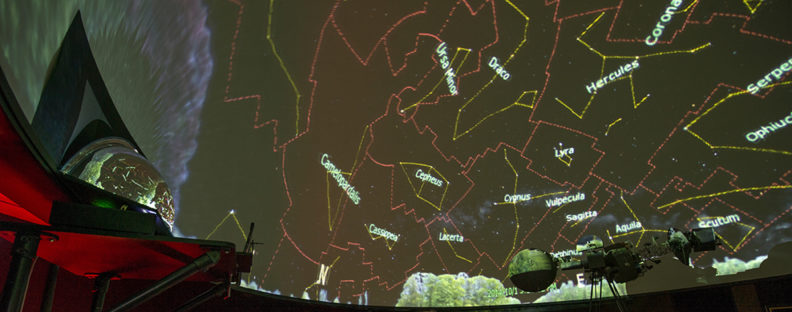
We are gratified that our series of informative and entertaining shows for the general public have proven popular. In 2014 with a 2016 upgrade, we installed a spheric-mirror digital projection system to enable a whole new layer of flexibility in the star theater, including the capability to show fulldome movies. Our dome was painted a friendly gray color in 2019 to reduce light echoes and improve contrast.
Funds from ticket sales maintain and improve our surround sound and full dome visual systems and guarantee an offering of even more spectacular public events in the future. The WSU Foundation will be happy to assist you if you wish to accelerate the upgrades with a financial gift (donate to “gf007726 – Planetarium and Observatory Support Fund”).
Our offerings:
- Day time school / children’s groups ($0), scheduled by gworthey@wsu.edu.
- Evening public shows ($5. No advanced ticket sales: door only.)
- Corporate facility rental: scheduled by gworthey@wsu.edu.
Directions and parking
Directions from Stadium & Main: Turn up Stadium, immediate left at Nevada, immediate left at Washington, turn right on Spokane Street and go 2.5 blocks. Sloan Hall is on your left, but if you are parking, turn left or right on College Ave to seek parking.
For walkers coming from campus, the pedestrian bridge is the most convenient entry; come across the bridge, come in the building, then turn right. Twenty paces later, just past the staircase double doors, turn left and head down the hall to Sloan 231. There are placards pointing the way, but they are unobtrusive.
If you come in the main Sloan Hall entrance, the one with all the signage and lots of glass, you are a level below the pedestrian bridge and the planetarium. Take an immediate left, then enter the staircase with the double doors on your left. Go up one floor. The planetarium is down the hall.
- Parking near the planetarium is “Green 3” zone.
- Parking on weekends and after 5 p.m. is free.
- Buses: During business hours, parking for buses is free on Flag Lane.
- Cars: During business hours, use the AMP parking app for hourly parking, available from WSU Parking Services.
Now showing
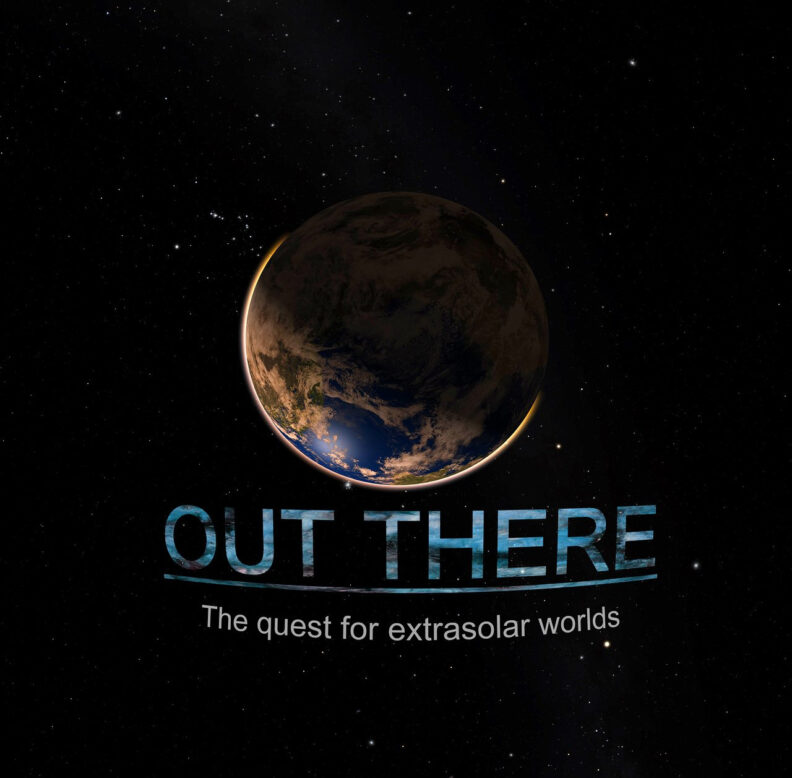
Out There
7pm, Friday, Aug 21 and 5pm, Sunday, Aug 23.
A docent will point out night sky highlights and upcoming astronomical events. This is followed by a fulldome video presentation.
This short film explores the methods and successes of astronomers who attempt to detect planets that orbit distant stars. From Doppler measurements to direct imaging, the subtle signatures of extrasolar planets have been found. The statistics are astounding: at least 1.3 planets per star and roughly 3 billion earthlike planets in the Milky Way.
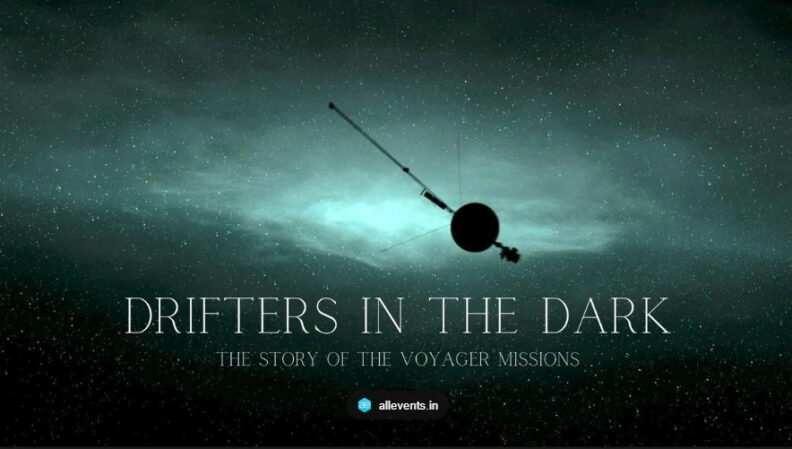
Drifters in the Dark: The story of the Voyager mission
7pm, Friday, Aug 28 and 5pm, Sunday, Aug 30.
A docent will point out night sky highlights and upcoming astronomical events. This is followed by a special lecture presentation written by local artist and astronomer Jess Jones.
This multimedia lecture tells of the epic journey of our most distant messengers, the Voyager mission probes. Launched in 1977, this pair of spacecraft continue, outward bound from the solar system. Their “grand tour” took them to Jupiter, Saturn, Uranus, and Neptune, and the pictures they took dazzled a generation and expanded our knowledge of the solar system. Now 164 and 127 astronomical units from the sun, respectively, Voyager 1 continue on into interstellar space. They are our pioneers. They are our messengers to the stars.
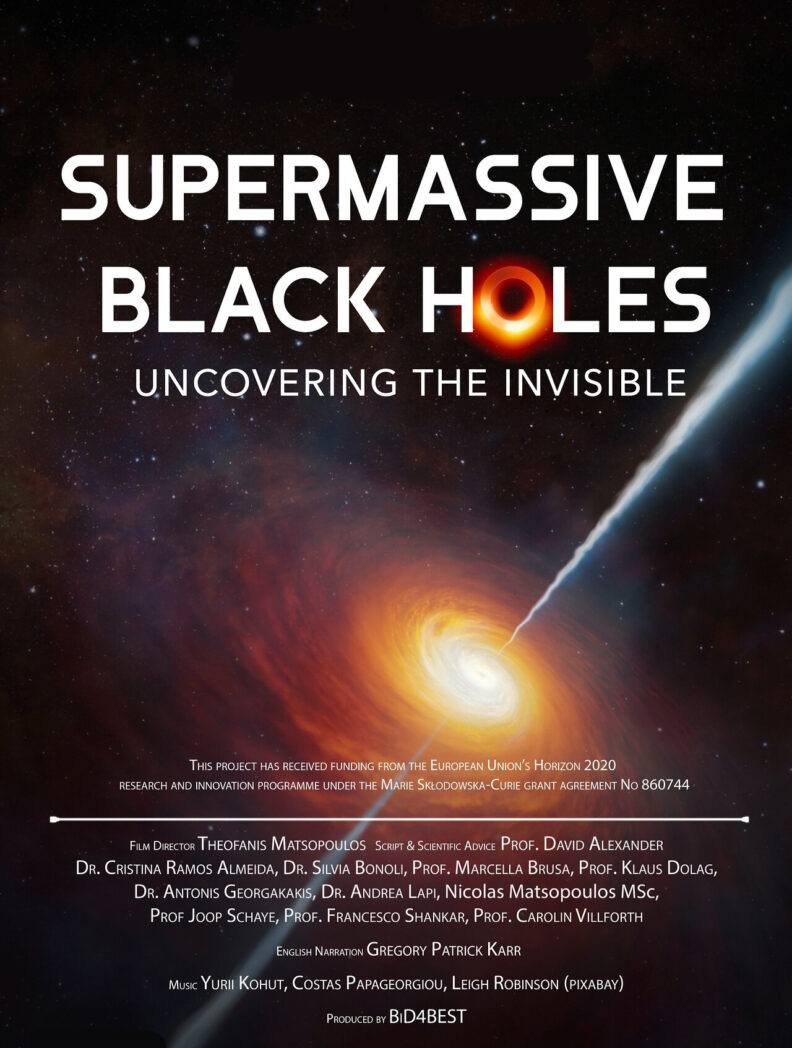
Supermassive Black Holes
7pm, Friday, Sept 4 and 5pm, Sunday, Sept 6.
A docent will point out night sky highlights and upcoming astronomical events. This is followed by a fulldome video presentation.
The featured fulldome video tackles the most mindbending phenomenon known, and yet thought be to entirely real. When mass causes spacetime to bend so profoundly that even light cannot escape, we have the case of a black hole. Very massive stars might leave a black hole behind when they die, but galaxies have been seen to host supermassive black holes. Not just a few times the mass of the sun, but millions or even billions of times more massive than the sun. How they form and how they are observed are the topics of this film.
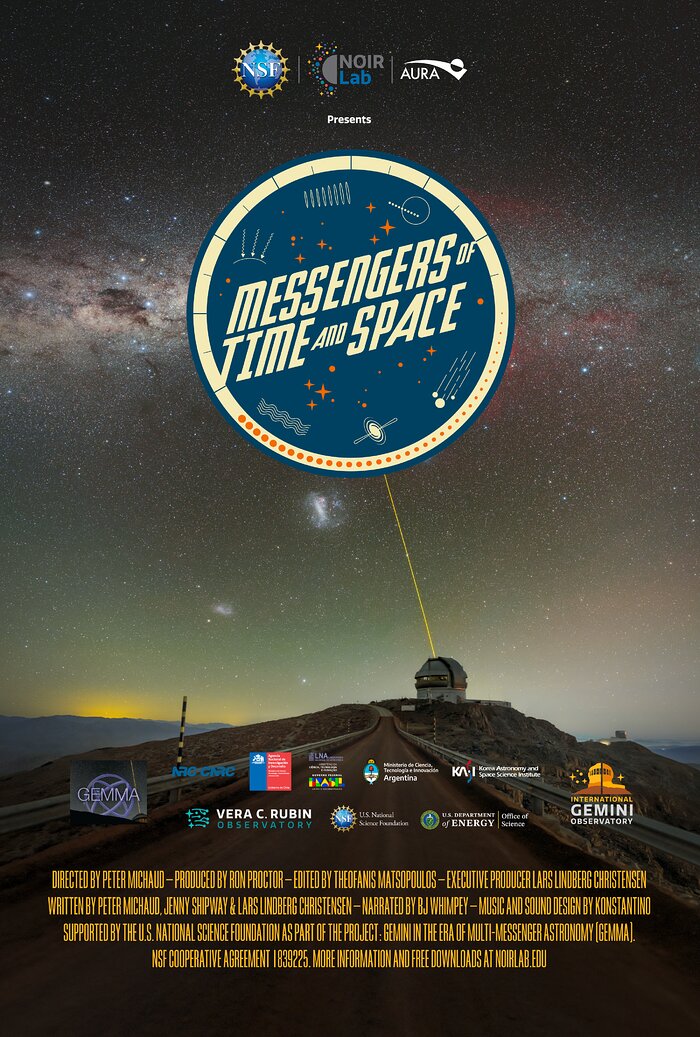
Messengers of Time and Space
7pm, Friday, Sept 11 and 5pm, Sunday, Sept 13.
A docent will point out night sky highlights and upcoming astronomical events. This is followed by a fulldome video presentation.
From across the vast reaches of space, astronomers have long studied the light of distant stars and galaxies. Now, however, we can also study cosmic ray particles, neutrinos, and, the newest “astronomical messenger,” gravitational waves. This short film explores the opportunities this new avenue of study has opened, and summarizes preliminary findings, mostly about black holes and other highly energetic phenomena.
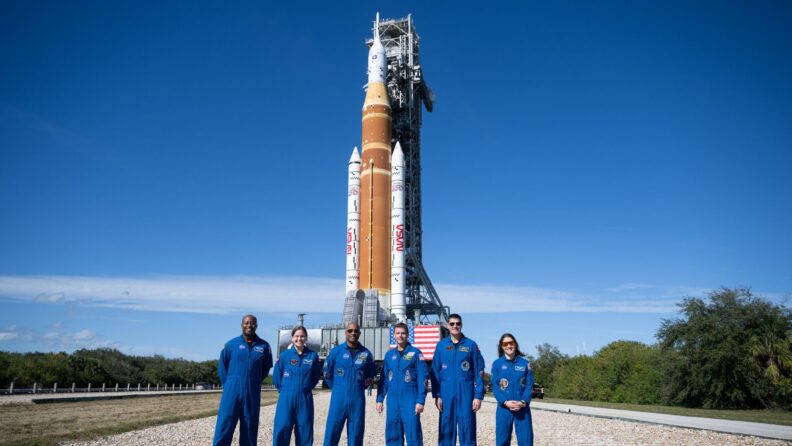
Forward To the Moon
7pm, Friday, Sept 18 and 5pm, Sunday, Sept 20.
A docent will point out night sky highlights and upcoming astronomical events. This is followed by a fulldome video presentation.
NASA’s manned space program is focused on establishing a permanent human presence on the moon, our natural satellite. This video short summarizes the plan and its benefits for humanity. The plan’s name? The Artemis mission.
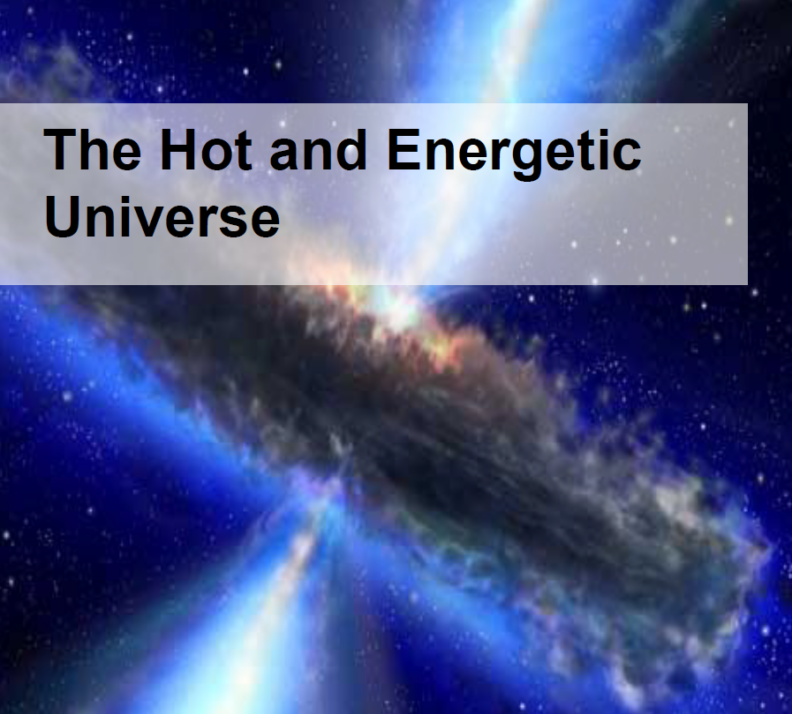
The Hot and Energetic Universe
7pm, Friday, Sept 25 and 5pm, Sunday, Sept 27.
A docent will point out night sky highlights and upcoming astronomical events. This is followed by a fulldome video presentation.
Some kinds of light are outside the range of the human eye. With clever instruments, however, astronomers can use radio waves, X-rays, and gamma rays to study some of the most exotic and powerful phenomena in the universe. Explore with us as we learn about quasars, radio galaxies, supernovae, and gamma ray bursts.
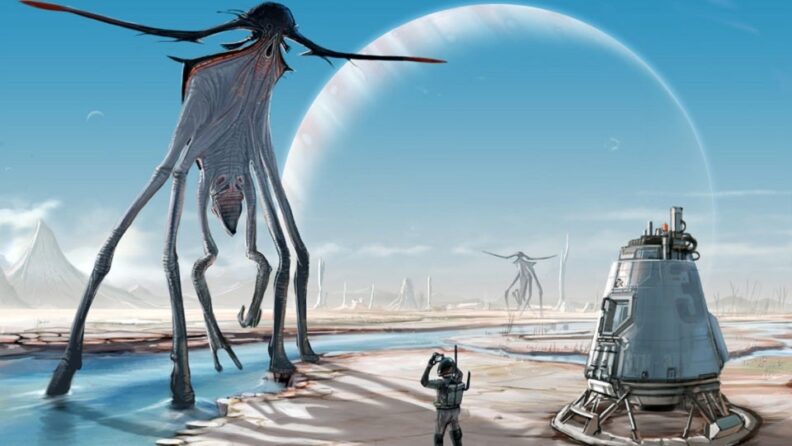
Distant Worlds – Alien Life?
7pm, Friday, Oct 2 and 5pm, Sunday, Oct 4.
A docent will point out night sky highlights and upcoming astronomical events. This is followed by a fulldome video presentation.
The short film “Distant Worlds – Alien Life?” starts with what we know about extrasolar planets and intersects that with what we know about biology. Then it extrapolates to imagine what forms life might actually take in the extreme environments on other planets.
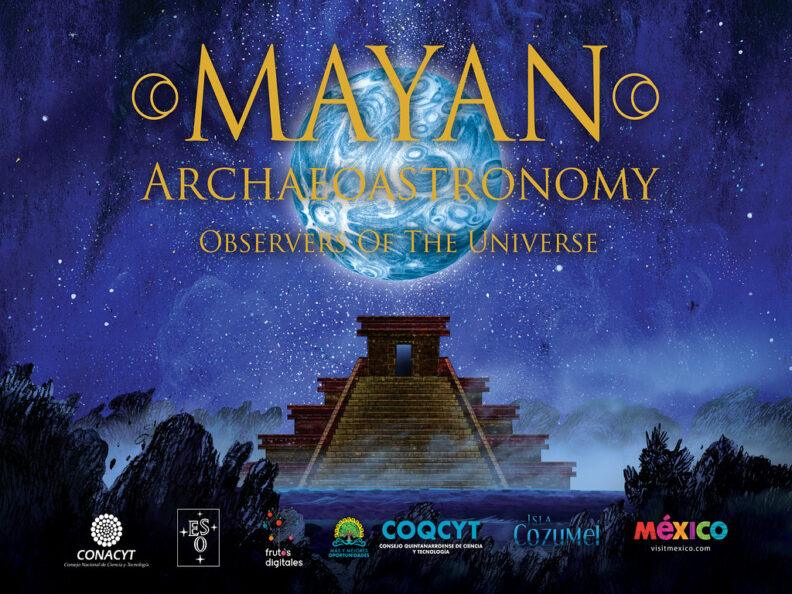
Mayan Archeoastronomy: Observers of the Universe
7pm, Friday, Oct 9 and 5pm, Sunday, Oct 11.
A docent will point out night sky highlights and upcoming astronomical events. This is followed by a fulldome video presentation.
The Mayan civilization has fascinated modern observers for many reasons. Their architecture, games, mathematics, and deep astronomy knowledge continue to inspire us today. This short film emphasizes how the Mayans felt a connection to the universe through their pantheon of deities, connecting the practical knowledge of seasonal changes and planet sky positions to primal emotions. But at the same time, they kept an amazingly precise calendar and preserved their own ancient astronomical knowledge.